


PRP
PRP, or Platelet Rich Plasma therapy, has become a widely discussed innovative method in the fields of aesthetics and health in recent years. PRP therapy uses enriched components of the blood through special processes to accelerate natural healing processes and support tissue repair. Offering effective results in areas ranging from hair loss to skin rejuvenation, PRP is preferred because it is a minimally invasive method. With PRP treatment, natural solutions can be found for both aesthetic and medical problems. PRP stimulates cells in the treated area, supporting regeneration and rejuvenation.
What is PRP?
PRP is a plasma fluid obtained from the individual’s own blood, containing a high concentration of platelets. Platelets carry growth factors that promote wound healing and tissue regeneration in the body. Therefore, PRP therapy encourages cell renewal, boosts collagen production, and improves skin elasticity. Being a natural and biological method, PRP carries a very low risk of allergies or side effects.
How is PRP Done?
PRP therapy is performed in a few basic steps:
Blood Collection: A small amount of blood is drawn from the patient.
Centrifuge Process: The drawn blood is spun at high speed in special devices to separate plasma and platelets.
PRP Preparation: The platelet-rich plasma is collected.
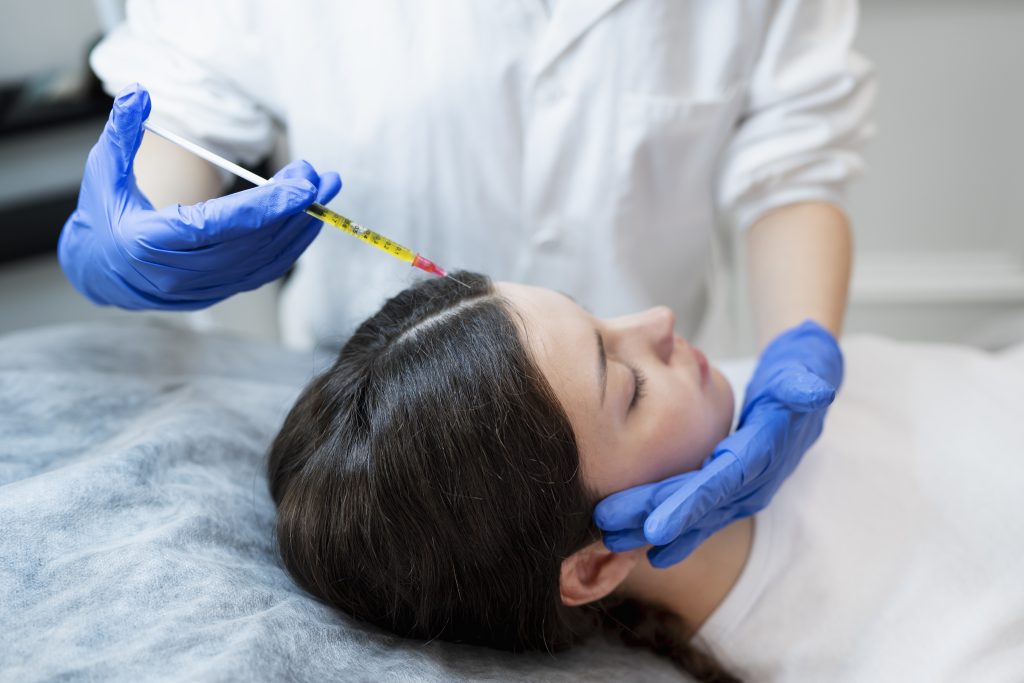
Application: The prepared PRP is applied to the target area via microneedling or injection.
The procedure typically takes 30-45 minutes and usually does not require anesthesia. PRP therapy is personalized, and the number of sessions needed is determined according to the individual’s condition.
Where is PRP Used?
PRP therapy has a wide range of applications. The main areas of use include:
Hair Loss: Strengthens hair follicles, reduces hair loss, and supports new hair growth.
Skin Rejuvenation: Reduces fine wrinkles and improves skin tone.
Scar and Wound Treatment: Effective in treating acne scars and post-surgical healing.
Orthopedic Conditions: Supports the treatment of tendon and muscle injuries.
The application protocols for PRP vary in each area and should be determined by a specialist doctor.
Advantages of PRP Therapy
PRP therapy is preferred for many advantages:
Natural and Safe: Since the individual’s own blood is used, there is no risk of allergies.
Short Procedure Time: The procedure is quick, allowing a fast return to daily life.
Long-Lasting Effects: Its effects on skin and hair last for a long time.
Minimal Side Effects: Other than mild redness at the injection site, serious side effects are rare.
Versatile Use: It can be used in both aesthetic and medical fields.
Thanks to these advantages, PRP has become an indispensable part of modern aesthetic applications.
Post-PRP Care Tips
To enhance the effects of PRP therapy and support the healing process, attention should be paid to some important points:
Do not wash your face or apply makeup within the first 24 hours after the procedure.
Avoid sun exposure and use a high-SPF sunscreen.
Mild redness or swelling may occur in the treated area but usually subsides quickly.
Avoid alcohol and smoking for a few days.
Use skincare products as recommended by your doctor.
Following these recommendations will help PRP’s positive effects emerge faster and more noticeably.
How Many PRP Sessions are Needed?
The number of PRP therapy sessions depends on the application area and individual needs. Typically, 3 to 6 sessions are recommended at intervals of 3-4 weeks. Later, annual or biannual maintenance sessions can prolong the results. Regular application is especially important for chronic problems like hair loss.
PRP Prices
PRP prices vary depending on the treatment area, number of sessions, and techniques used. Additionally, the clinic’s equipment and the practitioner’s experience are also factors influencing the price. To get the most accurate information about PRP prices, it is necessary to consult a specialist center. Contact us now for more information on PRP prices.
Frequently Asked Questions
Is PRP treatment painful?
Generally, minimal discomfort is felt during PRP application. For very sensitive individuals, local anesthetic creams can be used to enhance comfort.
When do the effects of PRP appear?
The effects of PRP therapy usually start to appear after 3-4 weeks. Several sessions may be needed for full results.
Who should not undergo PRP?
PRP therapy is not recommended for pregnant or breastfeeding women, individuals with blood disorders, or those with active infections.
Are there any side effects of PRP?
Serious side effects are rare with PRP therapy. Mild swelling, redness, or bruising may occur at the application site, but these are temporary.
How soon can you return to daily activities after PRP therapy?
Patients can usually return to daily activities immediately after PRP therapy. It is recommended to avoid strenuous exercise for the first 24 hours.