


What is DHI Hair Transplantation?
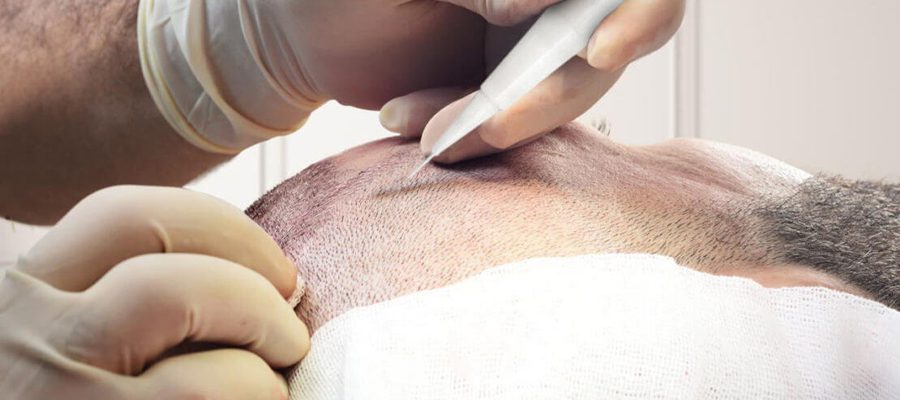
Direct Hair Implantation, or DHI hair transplantation, uses a special pen called the Choi Implanter Pen to implant hair follicles directly into bald areas. Unlike traditional hair transplant methods, this technique shortens the waiting time outside the scalp and keeps the follicles healthy. First, the hair follicles are carefully extracted from the donor area and then directly implanted into the bald area using the pen. This is part of the DHI hair transplantation process. Since channel opening and follicle implantation occur simultaneously, it provides a more natural and dense appearance. Due to its minimally invasive nature, the DHI method offers faster and more comfortable recovery. Additionally, hair direction and angle can be better controlled, resulting in an extremely natural look. As a result, DHI hair transplantation is a contemporary and successful method preferred by many experiencing hair loss.
How is DHI Hair Transplantation Done?
DHI hair transplantation is performed through a careful and meticulous procedure. First, the donor area’s hair follicles are evaluated based on the person’s hair loss condition. Special micromotors are used to minimize damage to the hair follicles. The Choi Implanter Pen collects the hair follicles and implants them directly into the bald area. Since channel opening and implantation occur simultaneously, the follicles spend less time outside the scalp and stay healthier. Implanting the hair in its natural direction and angle ensures a highly natural and aesthetic appearance with the DHI method. Additionally, patients usually recover quickly and can return to daily life shortly after. Being a minimally invasive method, DHI hair transplantation maintains comfort throughout the process.
Advantages of DHI Hair Transplantation
With numerous advantages, this hair transplant method has become a popular choice. It helps achieve highly aesthetic and natural-looking results. The greatest advantage of this method is keeping hair follicles directly in the implantation area, which reduces the time they stay outside, prolonging their survival. Additionally, the DHI method allows the natural direction and angles of the hair to be adjusted, helping the transplanted hair blend seamlessly with the natural hair structure. As DHI is a minimally invasive technique, the recovery period is very fast. Patients can return to daily life shortly after the procedure. Since channel opening and follicle placement are simultaneous, less trauma occurs during the procedure, reducing the risk of complications. As shaving is not required, DHI is ideal for men and women with short hair. Due to all these benefits, DHI hair transplantation is a comfortable and effective treatment option.
Disadvantages of DHI Hair Transplantation
Despite its many advantages, DHI hair transplantation also has some drawbacks. Firstly, compared to other hair transplant methods, the DHI technique can take longer. Especially when covering large areas, the procedure duration can be extended. DHI requires more time and precision, which may pose a problem for people with limited budgets. The overall cost is higher due to the specialized Choi Implanter Pen and other products used. The skill and experience of the practitioner also significantly impact the process, and without adequate experience, the desired results may not be achieved. Lastly, although DHI is minimally invasive, minor swelling or redness may occur, which typically subsides quickly but can be challenging for some individuals. Therefore, those considering DHI hair transplantation must be well-informed about both the pros and cons of the method.
Reviews of People Who Underwent DHI Hair Transplantation
Most people who underwent DHI hair transplantation have given positive feedback. Many were pleased with the dense and natural appearance post-procedure. The results are often indistinguishable from natural hair, giving individuals greater confidence. Due to the minimal invasiveness of the DHI method, many patients reported quick recovery and a swift return to daily life. The Choi Implanter Pen helps transplant the follicles without damage, ensuring strong and healthy hair growth. Some people noted that DHI is more expensive and time-consuming than other methods. However, they believe the aesthetic and natural results outweigh these concerns. Many consider DHI hair transplantation a fast, comfortable, and natural solution to hair loss.
Recovery Time for DHI Hair Transplantation
The recovery process after DHI hair transplantation is generally quick and comfortable. In the initial days, the implanted area may appear red and swollen but improves quickly. Small scabs may form where the follicles are placed, typically resolving within seven to ten days. It is recommended to keep the head elevated and avoid impact during the first three days. The first wash, performed a day after the procedure, helps better position the follicles. Using special shampoos and care products accelerates the healing process and maintains healthy follicles. For the first month, it’s advisable to avoid heavy physical activity, direct sun exposure, and environments like pools or the sea. New hair typically begins to grow within 2-3 months, with significant results visible within six months. Full results may be seen between 12 to 18 months. Due to its minimally invasive nature, the DHI method allows patients to return to their daily routines quickly.
What Makes DHI Hair Transplantation Different?
DHI hair transplantation has gained popularity due to its differences from other methods. The primary distinction is the use of the Choi Implanter Pen, which allows direct implantation of hair follicles. Since channel opening and follicle placement happen simultaneously, follicles spend less time outside, resulting in healthier grafts and a denser, more natural appearance post-procedure. As a less invasive method, DHI speeds up the healing process. The direction and angle of the hair can be adjusted more precisely, ensuring a highly natural and aesthetic outcome. Additionally, DHI allows for unshaven hair transplantation, a significant advantage for men and women with short hair. In contrast, other techniques require opening channels before placing the follicles. The DHI method combines these steps, offering a more efficient and controlled process, providing natural results and faster recovery for those experiencing hair loss.
Important Considerations for DHI Hair Transplantation
Those considering DHI hair transplantation should be mindful of several important points. Pre- and post-procedure instructions must be strictly followed. It’s advised to avoid blood thinners, alcohol, and smoking a week before the procedure. On the day of the procedure, avoid tight clothing that may put pressure on the scalp. During the first few days after the procedure, care must be taken with the transplanted area. Use the special lotions and shampoos recommended by the doctor for washing and drying. Allow scabs to fall off naturally within the first week. Avoid excessive movement and sports activities during the recovery period. Avoid direct sunlight, and stay away from pools and seas. Wearing a beanie or hat as advised by the doctor is essential. Lastly, follow-up appointments and regular monitoring are crucial for maintaining and achieving optimal results. Being attentive to these details ensures a smooth and successful DHI hair transplantation process.
How Many Hours Does DHI Hair Transplantation Take?
The duration typically ranges from 6 to 8 hours depending on the extent of the procedure and the number of grafts to be transplanted. Factors such as the degree of hair loss and the amount of attention required determine this time. The DHI method, requiring direct placement of follicles using a special pen, is detailed and time-consuming. The procedure usually starts in the morning and continues throughout the day. Extracting follicles from the donor area takes about two to three hours, while implanting them into the bald area takes four to five hours. Local anesthesia is administered for patient comfort, and short breaks are given as needed. The number of grafts and the size of the recipient area influence the overall duration. Therefore, discussing the procedure duration and details thoroughly with the doctor during planning is crucial. DHI hair transplantation requires careful execution and sufficient time to achieve good results.
When Does Hair Start Growing After DHI Hair Transplantation?
The hair growth timeline after DHI hair transplantation follows specific stages but can vary by individual. Within a few weeks post-procedure, transplanted hair may shed temporarily, known as shock loss, which is normal and part of the follicles adjusting to their new environment. After the shock loss, new hair typically begins to grow within three to four months. Initially, the hair may appear thin and weak, but it will thicken and strengthen over time. Around six months post-procedure, most of the transplanted hair becomes visible, giving a fuller appearance. Full results are usually seen within 12-18 months. Following care instructions during this period helps ensure the follicles grow healthily. Maintaining a stress-free, balanced lifestyle and healthy diet supports strong hair growth. Patience and regular follow-ups with the doctor are essential for achieving the best results after hair transplantation.
How Does the Pre- and Post-Process of DHI Hair Transplantation Work?
The DHI hair transplantation process is managed through careful planning and care. Pre-procedure consultations with a specialist involve assessing hair loss, identifying a suitable donor area, and planning the transplantation area. The individual’s overall health status is reviewed, and pre-procedure instructions are provided. It’s necessary to avoid blood thinners, alcohol, and smoking a week before the procedure. Hair is washed and prepared before the procedure. After local anesthesia, follicles are extracted from the donor area and directly implanted into the bald area using a special pen. The procedure typically lasts six to eight hours with short breaks as needed. Post-procedure care is crucial to protect the transplanted area. It’s recommended to keep the head elevated and avoid impact. Special lotions and shampoos prescribed by the doctor should be used for washing. Small scabs may appear within the first week, which should fall off naturally. During recovery, avoid heavy physical activities, sun exposure, and swimming. Transplanted hair usually starts growing within 3-4 months and thickens significantly by six months. Full results can be seen within 12-18 months. Adhering to the care and follow-up plan ensures optimal outcomes.
DHI Hair Transplantation Prices 2026
DHI hair transplantation prices in 2026 can vary based on several factors. The number of grafts to be transplanted is one of the most significant variables. If the transplantation covers a larger area, the duration and complexity increase, raising the costs. The experience and reputation of the clinic and specialists also influence pricing. Additional costs may arise from extra services like post-procedure care, follow-up visits, and special shampoos and lotions. Some clinics also offer accommodation and travel services for patients before and after the operation. Prices can vary by location as well, with clinics in major cities typically charging higher due to demand and operating costs. However, clinic quality, specialist experience, and patient satisfaction should be primary considerations over price. Since each individual’s situation differs, consulting with a specialist for a personalized price quote is advisable. Ultimately, DHI hair transplantation prices in 2026 will depend on personal needs and the services provided by the clinic.